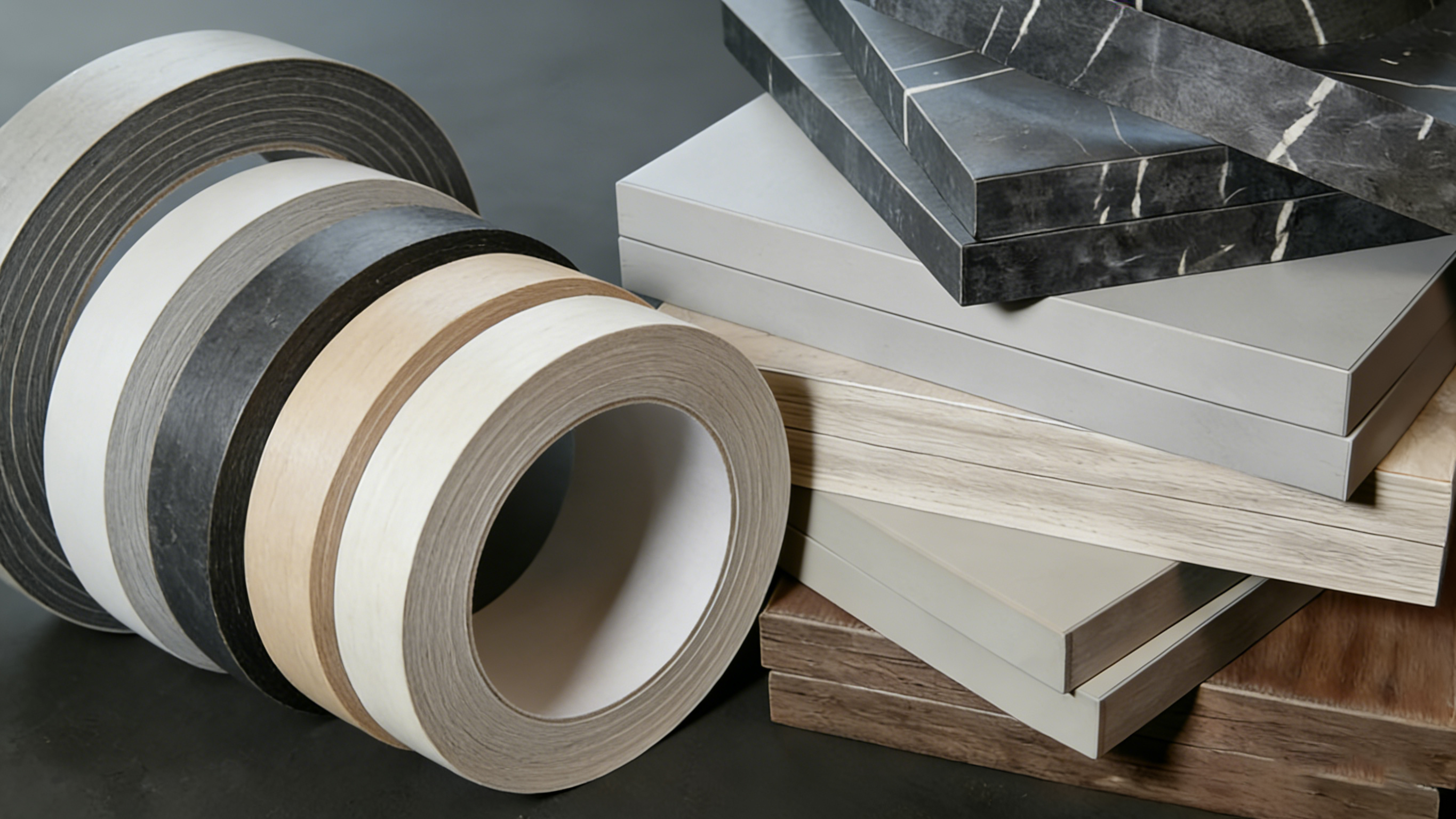
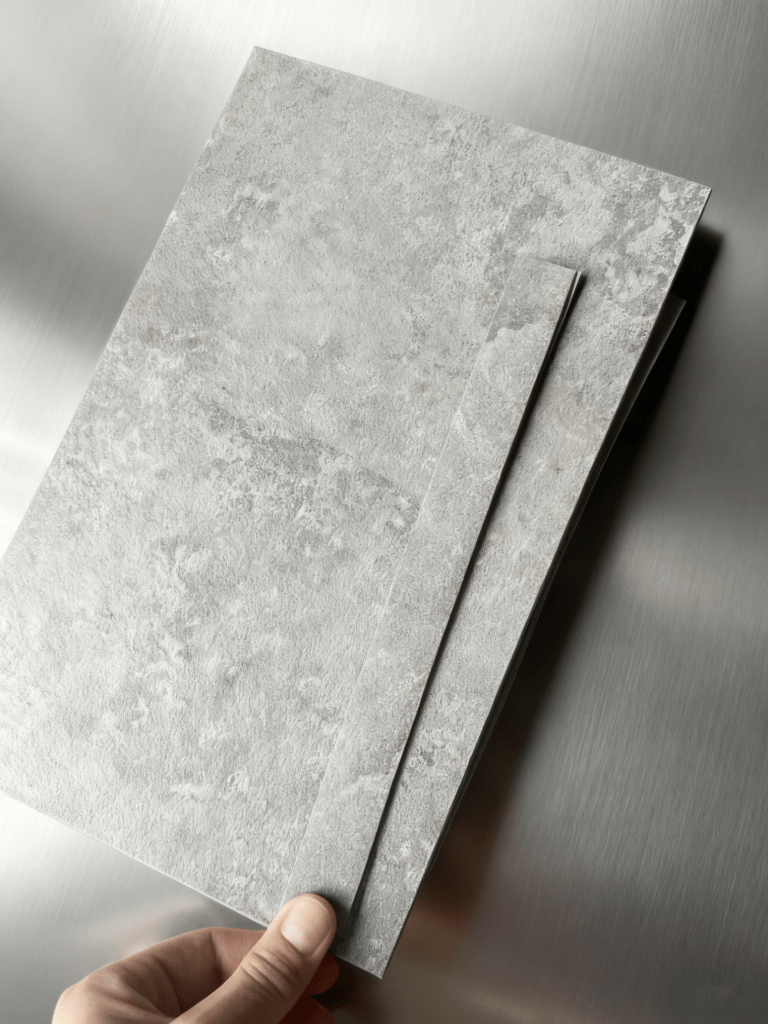
PVC Edge Banding: Complete Guide for Furniture Manufacturers

# Why Edge Banding Matters in Modern Furniture Manufacturing In today’s furniture industry, quality is judged not only by the design of a product but also by its finishing details. One of the most important finishing materials used in furniture production is edge banding. Whether for kitchen cabinets, wardrobes, office furniture, or commercial interiors, edge banding plays a key role in both appearance and durability. ## What Is Edge Banding? Edge banding is a thin strip of material applied to the exposed edges of wood-based panels such as MDF, particle board, plywood, and melamine boards.…

Keep reading

Why Edge Banding Matters in Modern Furniture Manufacturing

In today’s furniture industry, customers expect more than just good-looking cabinets and panels. They want products that last longer, resist moisture, and maintain a clean appearance for years. This is one reason why edge banding has become an essential part of modern furniture production. Whether you manufacture kitchen cabinets, wardrobes, office furniture, or retail displays, choosing the right edge banding solution can directly affect product quality and customer satisfaction. According to recent woodworking industry reports, search demand for terms like “PVC edge banding,” “ABS edge banding,” “laser edge banding,” and “edge banding machine” continues to…

Keep reading

Why Your Edge Banding Keeps Peeling (And How to Fix It)

If you run a furniture factory or cabinet workshop, you’ve probably seen this before: The edge banding looks perfect when it leaves the machine… But a few days later — it starts peeling. Corners lift. Glue lines become visible. In hot weather, it gets even worse. This is one of the most common problems in furniture production — and also one of the most frustrating. Let’s break down what’s really going wrong. 1. The Glue Is Not the Real Problem (Most of the Time) Many people immediately blame the glue. They switch from EVA to…

Keep reading

How to Fix Uneven Glue on the Front Edge of Edge Banding

In cases like this where the first one or two centimeters of the edge banding have no glue, the issue is basically caused by the guide plate being positioned incorrectly. This position must be aligned with the glue roller on the same straight line. If they are offset — for example, if the guide plate is shifted forward, causing the board to be too far away from the glue roller — it will result in uneven glue application. If the guide plate is too far back, meaning it’s behind the glue roller, the board will…

Keep reading

Something went wrong. Please refresh the page and/or try again.